Introduction
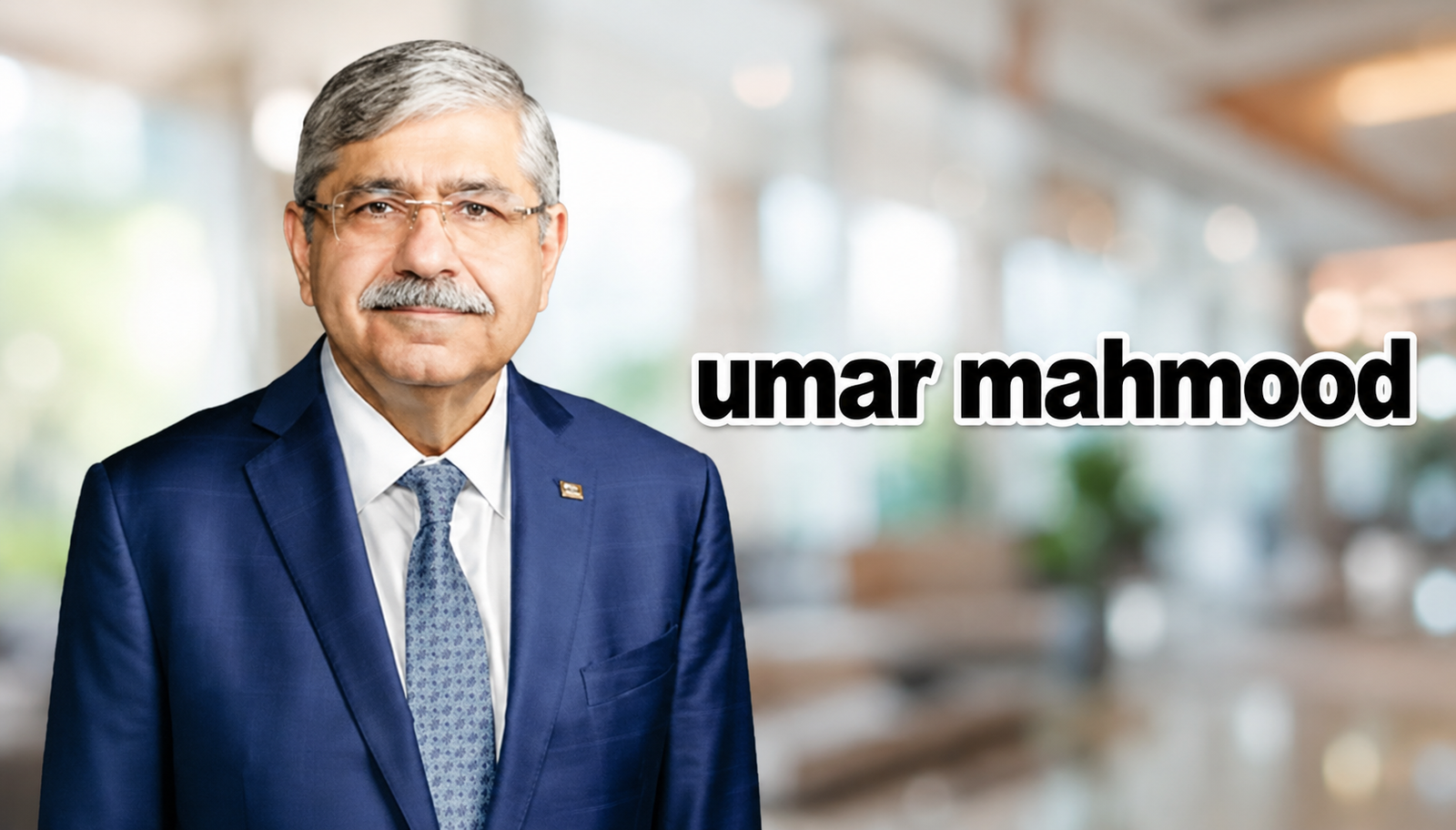
Umar Mahmood is one of the most respected names in modern radiology and molecular imaging. Over the course of his distinguished medical career, he has earned recognition for advancing precision medicine, cancer imaging, and theranostic research. His leadership in academic medicine has helped shape the future of diagnostic imaging while mentoring the next generation of physician-scientists. Rather than pursuing public attention, Mahmood has focused on scientific excellence, innovation, and improving patient care through advanced imaging technologies.
His appointment as Chair of the Department of Radiology at Stanford Medicine marked another significant milestone in an already accomplished career. While his professional achievements continue to attract international recognition, his greatest contribution lies in combining research, education, and clinical practice to improve healthcare. His journey reflects determination, continuous learning, and a commitment to scientific discovery.
Quick Bio
| Information | Details |
|---|---|
| Full Name | Umar Mahmood, MD, PhD |
| Profession | Physician, Radiologist, Medical Researcher |
| Education | California Institute of Technology; Cornell University (MD, PhD) |
| Specialty | Molecular Imaging, Nuclear Medicine, Precision Medicine |
| Current Position | Chair, Department of Radiology, Stanford Medicine |
| Previous Affiliations | Harvard Medical School, Massachusetts General Hospital |
| Research Areas | Cancer Imaging, PET Imaging, Molecular Imaging, Theranostics |
| Known For | Leadership in Precision Imaging and Academic Radiology |
Early Life and Educational Journey
Although Umar Mahmood has become a highly respected figure in academic medicine, very little verified public information is available regarding his childhood or family background. His professional profile has remained centered on his scientific work rather than his personal life, reflecting his preference for maintaining privacy outside of his medical career.
His academic achievements, however, are well documented. Mahmood earned a Bachelor of Science degree in Chemistry from the California Institute of Technology before completing both his Doctor of Medicine (MD) and Doctor of Philosophy (PhD) in Biophysics at Cornell University. He later continued his research training at Memorial Sloan Kettering Cancer Center before completing his radiology residency at Massachusetts General Hospital. This combination of scientific research and medical education established a strong foundation for his future career.
The Beginning of an Outstanding Medical Career
Umar Mahmood entered the medical profession with a clear interest in combining clinical medicine and scientific research. His early work focused on molecular imaging technologies capable of improving disease diagnosis while providing physicians with more accurate information about complex medical conditions.
As his expertise expanded, he became increasingly involved in nuclear medicine and precision imaging. His research contributed to the growing understanding of how advanced imaging techniques can improve cancer diagnosis and treatment planning. These early accomplishments demonstrated both his scientific ability and his commitment to translating laboratory discoveries into practical healthcare solutions.
Career Growth and Professional Leadership
Mahmood’s career advanced steadily through a series of leadership positions at Massachusetts General Hospital and Harvard Medical School. Over time, he became Chief of Nuclear Medicine and Molecular Imaging while also directing important research centers dedicated to precision imaging and theranostic sciences.
His leadership extended beyond his own institution. He served as President of the Radiological Society of North America, one of the world’s largest radiology organizations. This role allowed him to promote innovation, collaboration, and scientific excellence across the international medical imaging community while supporting continued professional education for radiologists.
Research Contributions That Changed Modern Imaging
Advancing Molecular Imaging
One of Mahmood’s most important contributions has been the advancement of molecular imaging. His research has focused on developing imaging methods capable of identifying disease at earlier stages while improving physicians’ understanding of cancer biology and patient-specific treatment responses.
His work has strengthened the role of precision medicine by demonstrating how imaging technologies can support personalized healthcare. These contributions continue to influence clinical practice and ongoing research worldwide.
Supporting Cancer Diagnosis and Precision Medicine
Cancer imaging remains one of Mahmood’s primary research interests. Through extensive scientific studies, he has explored imaging biomarkers, tumor metabolism, and theranostic approaches designed to improve patient outcomes.
His research has helped physicians better evaluate disease progression while supporting the development of more individualized treatment strategies. This combination of scientific discovery and clinical application has become one of the defining characteristics of his career.
Leadership at Stanford Medicine
Mahmood’s appointment as Chair of the Department of Radiology at Stanford Medicine represents an important chapter in his professional journey. The position recognizes decades of leadership, research excellence, and academic achievement within one of the world’s leading medical communities.
At Stanford, he continues to promote collaboration between researchers, physicians, engineers, and technology specialists. His vision emphasizes innovation in artificial intelligence, precision imaging, and next-generation diagnostic technologies that can improve patient care while expanding medical knowledge.
Academic Influence and Mentorship
Throughout his career, Umar Mahmood has remained deeply committed to education. He has mentored numerous medical students, residents, fellows, and physician-scientists who have gone on to build successful careers in radiology and biomedical research.
His teaching philosophy encourages scientific curiosity, critical thinking, and collaboration across multiple disciplines. By investing in future healthcare professionals, Mahmood has extended his influence far beyond his own research achievements and strengthened the future of academic medicine.
Challenges and Achievements
Like many leaders in medical research, Mahmood has worked within a rapidly evolving healthcare environment where scientific progress requires continuous adaptation. Advances in imaging technology, increasing clinical demands, and complex research challenges have required both persistence and innovation.
Despite these challenges, his accomplishments remain remarkable. His numerous scientific publications, research leadership, and appointments to senior academic positions demonstrate a career built on dedication, expertise, and long-term contributions to medicine rather than short-term recognition.
Lasting Legacy
The legacy of Umar Mahmood continues to grow through his research, leadership, and commitment to advancing medical science. His contributions have improved understanding of molecular imaging while helping physicians diagnose diseases with greater accuracy and confidence.
His influence also extends through the many students, researchers, and clinicians he has mentored over the years. As medical technology continues to evolve, his work will remain an important foundation for future innovations in precision medicine and diagnostic imaging.
Conclusion
Umar Mahmood has established himself as one of the leading figures in modern radiology through a career defined by scientific excellence, innovation, and academic leadership. From his early education in chemistry and biophysics to his leadership roles at Harvard, Massachusetts General Hospital, and Stanford Medicine, he has consistently contributed to improving patient care through advanced imaging research.
His professional journey demonstrates that meaningful success is achieved through dedication, collaboration, and a commitment to lifelong learning. While many challenges continue to shape modern healthcare, Mahmood’s work provides a positive example of how research and leadership can transform medicine and benefit patients around the world.
FAQ
What is Umar Mahmood known for?
Umar Mahmood is known for his leadership in molecular imaging, nuclear medicine, precision medicine, and academic radiology.
What is Umar Mahmood’s profession?
He is a physician, radiologist, medical researcher, and academic leader.
Where does Umar Mahmood currently work?
He serves as the Chair of the Department of Radiology at Stanford Medicine.
What are Umar Mahmood’s primary research interests?
His research focuses on molecular imaging, PET imaging, cancer imaging, precision medicine, and theranostic sciences.
Where did Umar Mahmood study?
He studied chemistry at the California Institute of Technology and earned both his MD and PhD from Cornell University before completing further medical training at Massachusetts General Hospital.
Why is Umar Mahmood considered influential in radiology?
He has advanced molecular imaging research, contributed to precision medicine, held major leadership positions, and mentored numerous future physician-scientists, making him an influential figure in academic radiology.