Introduction
Gaming has changed significantly as technology has made it possible to enjoy games beyond traditional desktop computers and television-connected consoles. Today, players want devices that offer convenience, reliable performance, and the freedom to play in different locations. The growing interest in tportstick gaming trends reflects this broader movement toward flexible and portable gaming experiences.
Portable gaming devices are becoming more appealing because they combine compact designs with improved hardware, better displays, and convenient connectivity options. Some devices focus on cloud gaming, while others allow users to play games directly without requiring a constant internet connection. These different approaches give gamers more choices based on their preferences and budgets.
In 2026, tportstick gaming trends highlight the importance of portability, software compatibility, battery efficiency, and access to gaming libraries. Understanding these developments can help players make informed decisions when exploring portable gaming technology.
What Are Tportstick Gaming Trends?
The term tportstick gaming trends describes developments and preferences associated with portable gaming devices and flexible gaming setups. These trends include smaller hardware, cloud-based gaming, hybrid systems, and devices that connect to larger displays.
The main objective is to make gaming more convenient without unnecessarily sacrificing performance. Instead of depending on a single location, players can enjoy gaming at home, while traveling, or in other suitable environments.
The latest tportstick gaming trends also reflect changing expectations among consumers. Gamers increasingly consider how easily a device can be carried, how many games it supports, and whether it offers sufficient flexibility for different situations.
Why Portable Gaming Is Becoming More Popular
Convenience is one of the biggest reasons portable gaming continues to attract attention. Traditional gaming systems often require dedicated space, additional equipment, and a fixed setup. Portable alternatives allow players to enjoy games without always returning to the same location.
Travelers, students, and casual players may appreciate the ability to carry a compact gaming device. Moving between rooms or playing during suitable breaks can also become easier when gaming equipment is lightweight and straightforward to use.
Technological improvements have strengthened this appeal. Better processors, improved screens, enhanced battery performance, and faster wireless connections have helped portable devices become more capable.
Cloud gaming has introduced another option by allowing users to access supported games through internet-based services. However, streaming quality depends on connection speed, network stability, and the service being used.
These developments explain why tportstick gaming trends increasingly emphasize flexibility and accessibility alongside traditional performance measures.
The Portable Gaming Device Market in 2026
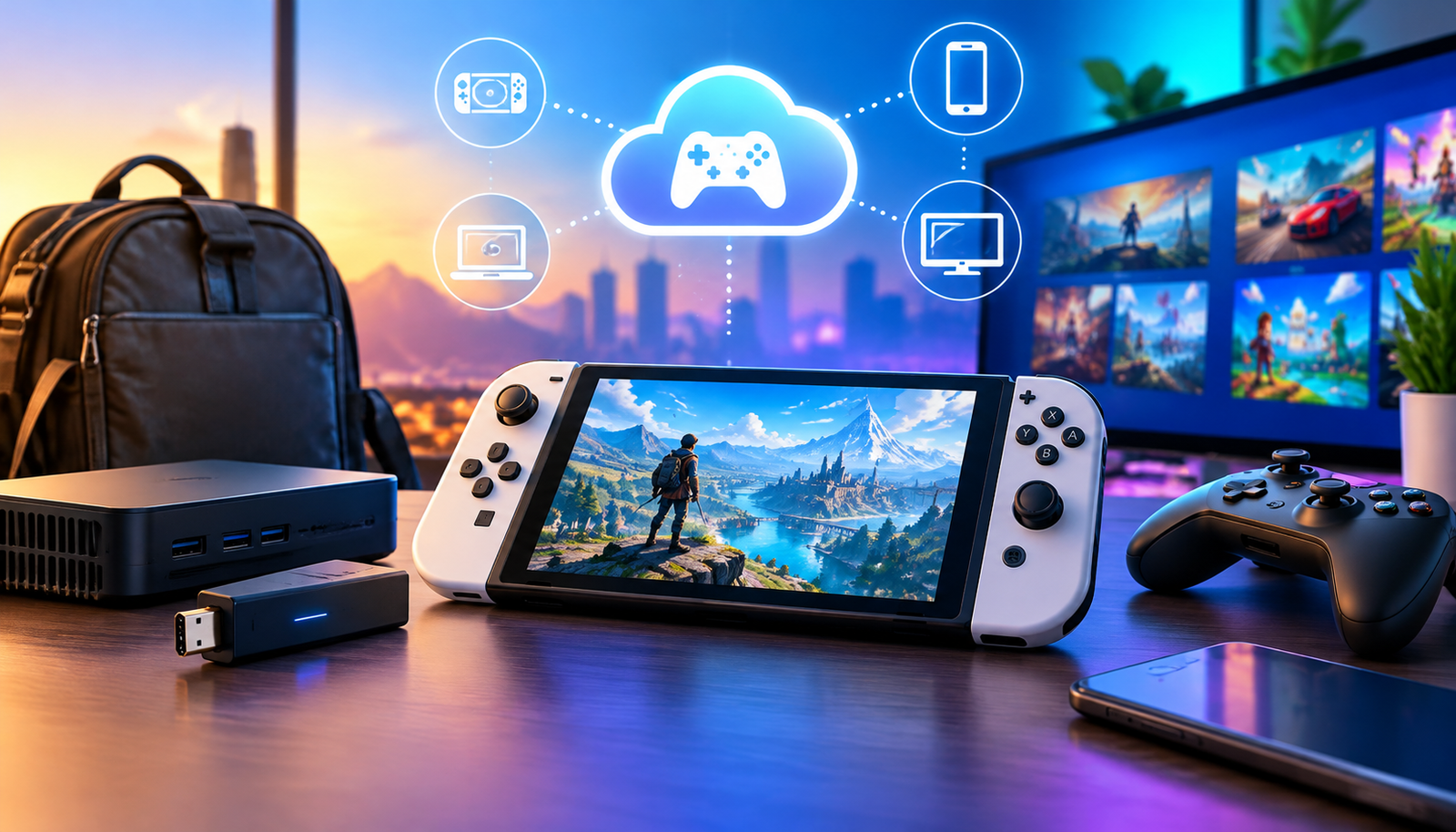
Portable gaming includes several device categories designed for different types of players. Streaming-focused devices provide access to supported games through cloud services or remote-play systems. Their compact designs can make them convenient for travel and everyday use.
Hybrid devices combine local gaming capabilities with online features. Depending on their specifications, they may allow users to play certain games offline while accessing cloud-based services when an internet connection is available.
Dedicated handheld consoles offer another approach. These devices are designed specifically for gaming and can provide local gameplay, dedicated controls, and connections to external displays on supported models.
Micro gaming PC sticks and retro gaming devices also attract particular audiences. Their usefulness depends on hardware capabilities, software compatibility, and the games users want to play.
Within tportstick gaming trends, versatility remains an important consideration because consumers often want one device to support several gaming situations.
Comparing the Main Tportstick Gaming Categories
Different portable gaming categories provide different benefits. The following figures are estimates presented in the original market overview, not independently verified market statistics.
| Device category | Price range | Best suited for | Offline gaming |
|---|---|---|---|
| Streaming stick | $40–$80 | Casual players and travelers | Limited |
| Hybrid local-and-cloud device | $120–$220 | Everyday gamers | Partial |
| Console handheld | $300–$550 | Performance-focused players | Full, depending on the game |
| Micro gaming PC stick | $180–$350 | Portable PC gaming | Possible, depending on hardware and software |
| Retro emulation stick | $30–$90 | Retro gaming enthusiasts | Generally supported for compatible local games |
The original overview reported growth figures of 21% for streaming sticks, 52% for hybrid local-and-cloud devices, 18% for console handhelds, 34% for micro gaming PC sticks, and 29% for retro emulation sticks. These figures should be treated as reported estimates rather than confirmed industry-wide results.
The hybrid category showed the highest reported growth in that comparison. This suggests that combining offline capabilities with online access may appeal to consumers seeking flexibility.
For people researching tportstick gaming trends, comparing device features and limitations is more useful than choosing a product based on popularity alone.
Why Software Matters as Much as Hardware
Hardware determines much of a device’s processing power, graphics performance, and physical capabilities. However, software strongly influences the overall gaming experience.
An effective operating system, straightforward navigation, regular updates, and compatibility with popular gaming platforms can make a portable device more useful. Access to a suitable game library is equally important because powerful hardware has limited value if it cannot run the games a player wants.
Cloud integration and subscription services may expand available gaming options. Nevertheless, users should review service requirements, subscription costs, and regional availability before making a purchase.
Software support can also affect a device’s long-term usefulness. Updates may improve performance, resolve compatibility problems, and introduce additional features.
Consequently, tportstick gaming trends are not just about developing smaller devices. They also involve creating software environments that are convenient, reliable, and compatible with modern gaming habits.
Portability Without Sacrificing Performance
Portable gaming previously involved significant compromises compared with larger gaming systems. Modern hardware has reduced some of these limitations, allowing certain handheld devices to deliver impressive graphics and responsive gameplay.
However, performance still varies according to the processor, graphics hardware, cooling system, memory, and power requirements. Smaller devices may face limitations involving heat management and battery life, especially when running demanding games.
Connectivity can add further flexibility. Some portable systems support connections to televisions or monitors, while compatible models may also work with external keyboards, mice, and controllers.
This allows users to switch between portable play and a larger gaming setup. The available options depend on each device’s ports, wireless features, and software support.
One important aspect of tportstick gaming trends is finding a practical balance between portability, performance, and usability rather than focusing on processing power alone.
What Could Happen Next?
Future portable gaming developments may focus on battery efficiency, improved cooling, faster storage, and better power management. These improvements could make devices more comfortable to use and help them deliver consistent performance.
Cloud gaming and remote-play technologies may also develop further. More reliable internet connections could make streaming more convenient, although network delays and connection problems may remain challenges.
Artificial intelligence could eventually support features such as performance optimization, personalized settings, and battery management. The practical benefits will depend on how manufacturers implement these technologies.
The direction of tportstick gaming trends will also depend on pricing, software support, consumer demand, and competition between gaming platforms.
Rather than assuming every new technology will become successful, buyers should consider proven features, product reliability, and compatibility with their preferred games.
Frequently Asked Questions
1. What are tportstick gaming trends?
Tportstick gaming trends refer to developments in portable gaming, including handheld systems, streaming devices, hybrid gaming options, and flexible connections to external displays.
2. Do portable gaming devices require an internet connection?
No. Some devices run games locally and support offline play. Others depend on cloud gaming or online services. Requirements vary by device, game, and platform.
3. Are portable gaming devices suitable for long gaming sessions?
They can be suitable for extended play, depending on battery life, screen quality, device weight, control comfort, and cooling performance.
4. Can portable gaming devices connect to a television?
Some devices support television or monitor connections. Buyers should check the manufacturer’s specifications to confirm compatibility and determine whether additional accessories are required.
5. Which portable gaming device category is best?
The best option depends on personal requirements. Streaming devices may suit casual players, hybrid systems offer a combination of local and online gaming, and dedicated handheld consoles may appeal to players seeking more powerful gaming features.
6. Why is software important in portable gaming?
Software determines compatibility, navigation, access to games, and update support. A well-supported software environment can improve the overall experience and extend a device’s usefulness.
7. What should buyers consider before choosing a portable gaming device?
Buyers should compare price, battery life, supported games, offline functionality, connectivity, performance, and software updates. These factors help determine whether a device meets their needs.
Conclusion
Portable gaming continues to develop as players look for convenient ways to enjoy games in different environments. Improvements in hardware, software, displays, and connectivity have expanded the available choices, from streaming-focused devices to dedicated handheld consoles.
The main lesson from tportstick gaming trends is that flexibility has become an important part of the gaming experience. Consumers increasingly consider portability, software compatibility, offline access, and overall value when choosing devices.
As technology advances, portable gaming may become even more efficient and versatile. For now, understanding device specifications and comparing available features remain the most practical ways to find a gaming solution that fits individual preferences.